Any parent who’s watched their child struggle socially or academically understands how painful it is to stand by. While academic grades are certainly important, when witnesses see a child suffering socially or emotionally, it becomes abundantly clear how equally vital a school’s social culture is to a child’s sense of self, their well-being, and the confidence to trust they’ll succeed.
A Safe Learning Environment + A Supportive School Community = Whole Child Success
Here at Puzzle Box Academy, we’ve intentionally created a school environment where exceptional learners – whether they’re struggling socially, bored academically, or simply don’t “fit the mold” – finally feel like they belong.
This sense of belonging opens the doors to newfound resilience, independence, confidence, and personal pathways to long-term success.
Evidence-Based Connections Between School Culture & Student Success
The concept of “belonging” – feeling seen, heard, and valued – isn’t just a warm fuzzy ideal; it’s a biological need. In fact, the need for belonging is so intrinsically wired in humans that those who do not feel they belong or feel “othered” are at far higher risk for anxiety, depression, and other mental health issues. Further research has shown that, in student populations, the role of belonging also affects academic success.
A recent article posted in The Chronicle of Evidence-Based Mentoring explains:
In a comprehensive new meta-analysis, Australian psychologist Gisela van Kessel et al….synthesized data from 26 studies involving over 68,000 students. The researchers found significant positive correlations between belonging and academic outcomes…and mental health…These results indicate that enhanced belonging improves grades and substantially boosts psychological well-being.
The more traditional school settings fail to meet this inherent need, the more we see private school values shifting to prioritize school belonging alongside academic achievement.
Cultivating School Belonging For Elementary Students
Cultivating school belonging for elementary students is especially critical. These crucial developmental years should be an extension of the home. This is why elementary private school values so often focus on creating a sense of “home away from home” for their students, with intentional efforts on nurturing the whole child.
Teaching the whole child means addressing every facet of a child’s development. To do this, we go beyond academics, valuing their emotional, physical, and social well-being equally. Cultivating school belonging requires recognizing that every child brings their own learning style, strengths, challenges, and aspirations.
The Puzzle Box Academy elementary school program fosters whole-child teaching methods and a positive social culture by:
- Upholding clear school values.
- Providing consistent structures and routines.
- Fostering neurodivergent teacher training with an emphasis on empathy.
- Creating a healthy social culture that nurtures positive peer relationships.
These tenets form the foundation of a safe learning environment for students from every background.
Clear Values Provide A Strong Foundation For The School Community
A long-term vision and general mission statement are essential, but they must be backed by clear values articulated in real time, with a tangible structure, consistent routines, and evidence-based outcomes.
Puzzle Box Academy is intentional with our values and intentions, which include:
- Providing a safe, affirming space where neurodivergent children and their families finally feel seen, supported, and celebrated.
- Not requiring a diagnosis or expecting parents to jump through hoops to enroll their students (our school is what is known as an Alternative Learning Academy for the Exceptional Student).
- Developing our students’ strengths and supporting them in their challenges.
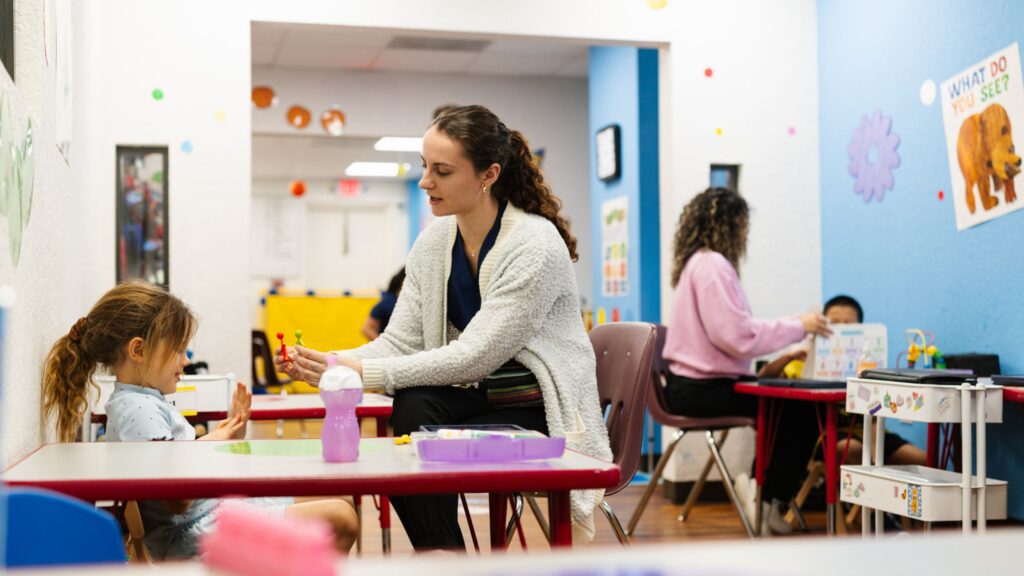
- Providing smaller student to teacher/aide ratios. Depending on the child’s needs, we offer 1:1, 3:1, 5:1, and 10:1 classroom options.
- Employing highly trained faculty and staff and ensuring their access to ongoing evidence-based training and support.
- Creating customized academic and social-emotional plans.
- Year-round schedules that prioritize consistent daily rhythms and routines.
- Scholarship programs that support families in need and honor our commitment to ensuring equitable educational opportunities for all exceptional learners.
- Fostering a broader Puzzle Box Academy community and training opportunities so that students, teachers, caregivers, and families feel connected, empowered, and resilient.
These values and offerings foster a positive school culture and student success.
Consistent Structures & Routines Help Children Feel Safe
Like all of us, children want to know what they can expect from day to day and from hour to hour. This creates a predictable routine that keeps us out of survival mode—the proverbial fight/flight/freeze response — that makes it impossible to be calm, focused, or ready to learn.
This is one of the reasons we’ve adopted a year-round calendar that runs from July to June. This schedule ensures children maintain the same daily rhythm from season to season without the disruptive breaks or long-term gaps that cause transitions for neurodivergent, gifted, and exceptional learners.
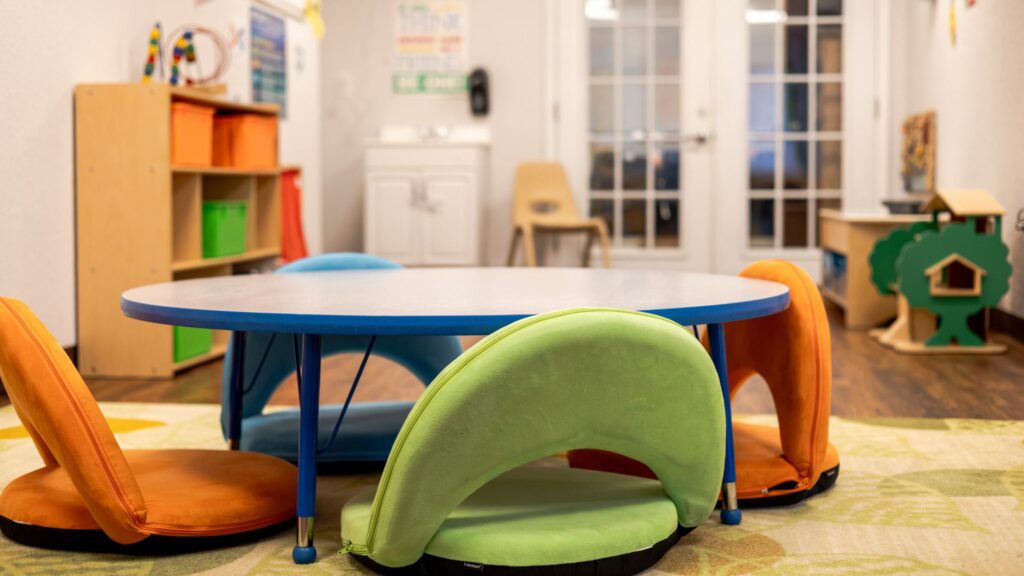
Our school day and classroom rhythms also prioritize consistent structure and routine for the whole, while our smaller class sizes allow teachers to provide the individualized support every student deserves. Classroom routines make children feel more secure and include:
- Visual and audio schedule cues.
- Daily rituals.
- Well-organized transitions so children know what to expect.
- Breaking tasks into manageable parts.
- Repetitive instructional routines for students who need more help with executive function.
- Visual choice boards.
- Classroom jobs that foster age-appropriate independence, confidence, and community responsibility.
Providing a predictable, safe environment is not about rigid rules or limiting creativity. It’s about opening the door to possibility. We invite you to see that for yourself by touring our academy.
Teacher & Faculty Training Rooted In Empathy
While evidence-based training is essential for faculty and staff working with neurodivergent and gifted students, empathy is equally valued. Cultivating empathy is the only way we can honor the whole child in every child. In addition to faculty-wide training events and conferences, Puzzle Box Academy utilizes MindMeld: Aspire.
This is an exclusive classroom management and teacher training platform that leverages the best of Applied Behavior Analysis (ABA), Precision Teaching, and Organizational Behavior Management (OBM) research. Best of all, our students’ parents and caregivers also have access to this incredible teaching tool, so we can work together to create a more seamless transition between school and home culture. Working together, we can all help lay the foundation for students’ future success.
Creating A Positive Social Culture & Peer Relationships
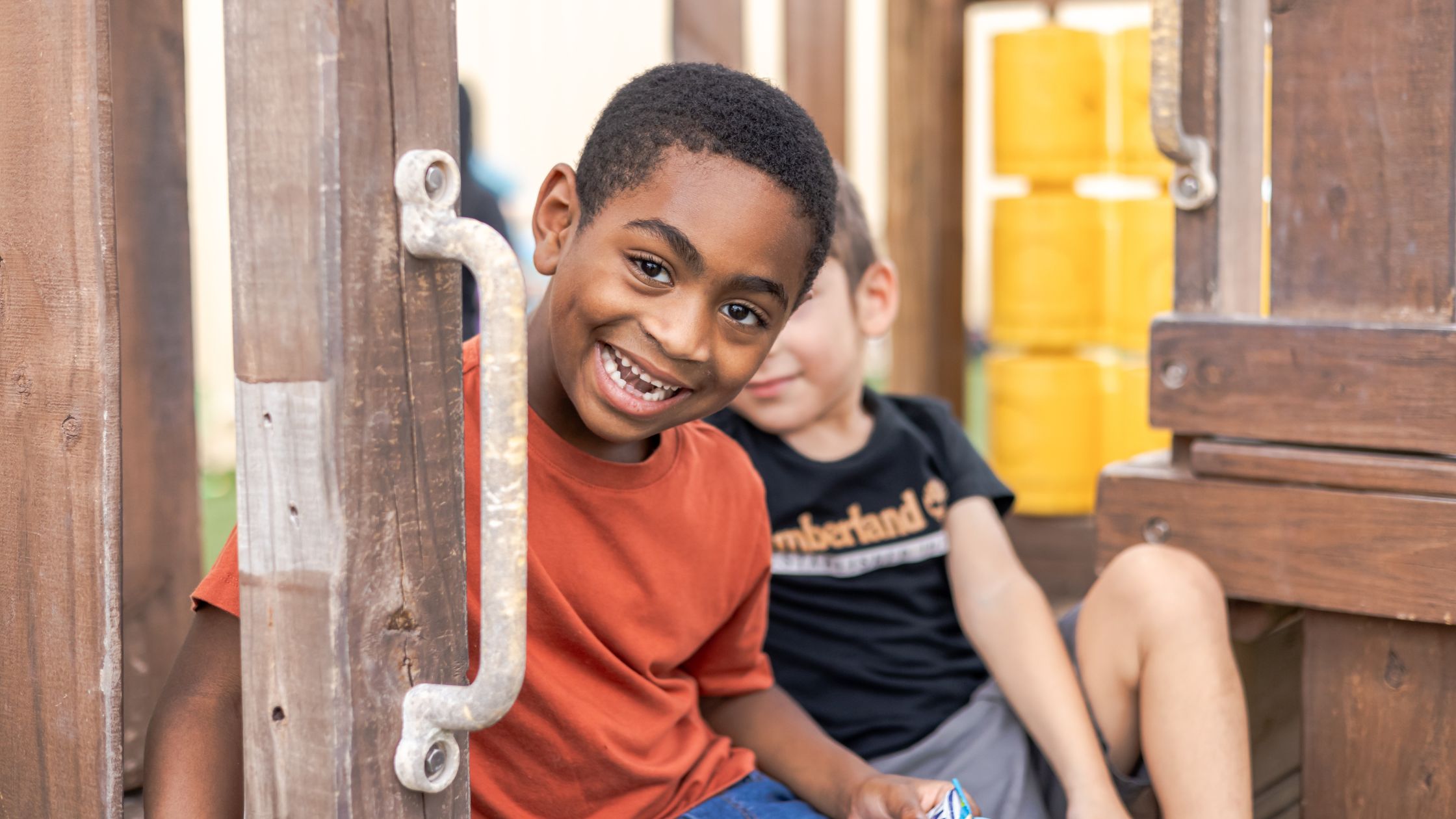
Seeing your child make friends and experience successful playdates can feel like a dream come true after months or years of watching them swim against the social current in a traditional public school. Parents are frequently moved to tears when they see their child experience, for the first time, what it’s like to be included in the social fabric and to build positive peer relationships.
The work we do ahead of time—fostering safe and comfortable classrooms, creating predictable routines, and ensuring empathy guides teacher/student relationships—works together to support a positive social culture. The sooner students have access to a school environment that guides both their academic and social communication skills, the better a child’s overall sense of belonging will be. The friendship-building capabilities they develop will serve them throughout life.
Take The First Step In Your Child’s Belonging At Puzzle Box Academy
Is your elementary school student sinking in their traditional public school environment? Do you suspect or know that your child is gifted, neurodivergent, or simply made from a different mold? There’s no reason for them (or you) to struggle and go it alone. Take the first step in helping them find a place where they belong. Sign up for a tour of Puzzle Box Academy or schedule a consultation to see what a dramatic difference it makes when children feel safe, seen, and supported on a daily basis. You’ll witness firsthand how being part of a supportive academic community provides the sense of belonging that shapes a child’s self-confidence, learning ability, social connections, and overall success.