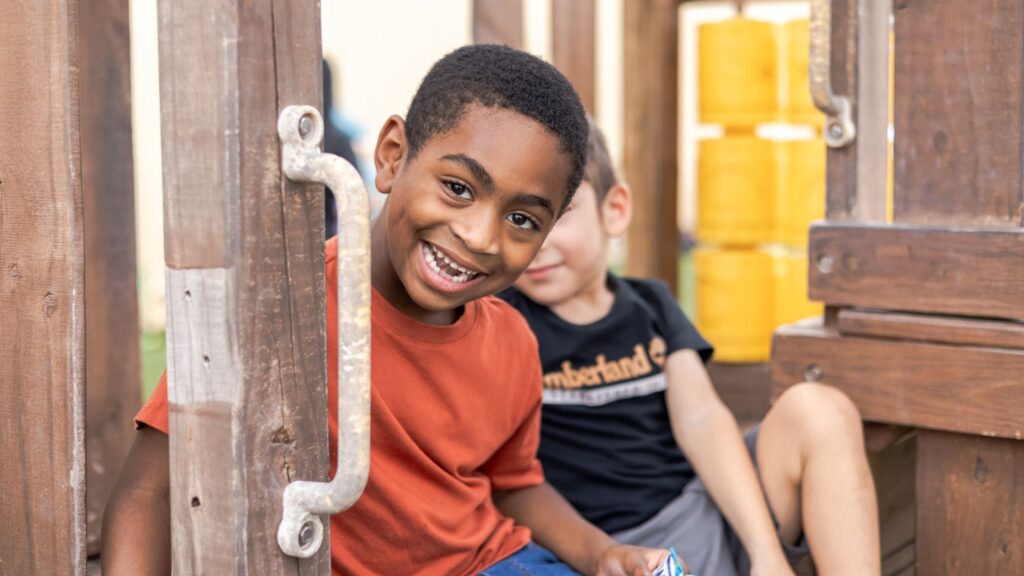
For school to truly “work” for any student, the child must feel welcome and safe, and they must know that they are an integral part of the whole. Unfortunately, the standard public school curriculum hinders well-meaning teachers’ ability to foster supportive learning environments, even for neurotypical students – let alone for students on the neurodivergent spectrum.
The chasm between what should be and what is led to the formation of Puzzle Box Academy: a private school setting offering neurodivergent educational opportunities for every student – neurodivergent, neurotypical, and everyone in between.
So, while we offer an alternative school model here in Florida that welcomes all students who excel with a personalized, science-based curriculum. This can include students with:
- Autism Spectrum Disorder (ASD)
- Attention Deficit with Hyperactivity Disorder (ADHD)
- Anxiety Disorders
- Or any other specific learning differences
Our approach also inspires gifted exceptional students or any who do not “fit” in a standard school environment.
Neurodivergent Education = Student-Centered Education
Neurodivergent education is not merely another form of “special education” (SPED). Instead, successful academic programs for neurodivergent students use research-driven, data-informed methods and strategies to create student-centered education models.
It takes just one school tour and a few minutes observing our classrooms to see how the Puzzle Box Academy elementary school program truly works for our students, our teachers, and our community.
Four Cornerstones of a Supportive Learning Environment
Educators must firmly establish four essential cornerstones to create a supportive learning environment in which students thrive. These cornerstones set the stage for cultivating a positive school environment in which each student feels included and is an essential part of a valuable whole.
1. Highly Trained, Trauma-Informed Administrators, Staff, and Aides
Trauma-informed training should never be advertised as a “perk.” It should be a requirement for anyone working in the 21st-century school system. Here at Puzzle Box Academy, we work with highly sensitive students – as well as their parents and caregivers – almost all of whom have experienced some form of trauma, neglect, or even abuse in their former schools.
Here is a common scenario we hear about from our parents and students: On their first day at a public school, the child likely entered a room with 21 other students. That is far too many children in one small space, creating an overstimulating environment from the outset (more on that in #2). Then, when the student showed up as their fullest selves, they were met with unnecessarily rigid rules and restrictions that their nervous systems could not manage.
Students may have experienced punitive language and actions intended to break their spirit and force them into a one-size-fits-all mold, rather than being seen as individuals who require a tailored learning environment to thrive. The antidote to this antiquated public school model is training emerging educators using trauma-informed approaches that cultivate big-picture thinking and personalized instruction.
Teachers who understand how to maintain a trauma-informed classroom are inherently more compassionate, patient, and positive with their students. This energy is tangible, and children feel safe in their presence. From there, learning becomes inevitable, and students feel secure enough to begin forming more extensive social connections.
2. Small Classroom Sizes
When a person is overstimulated, executive function shuts down to enable “fight, flight, or freeze” survival mode. This is no way to spend the bulk of one’s childhood, five days a week. And, of course, that overstimulation and school-week trauma is carried right back into their home life.
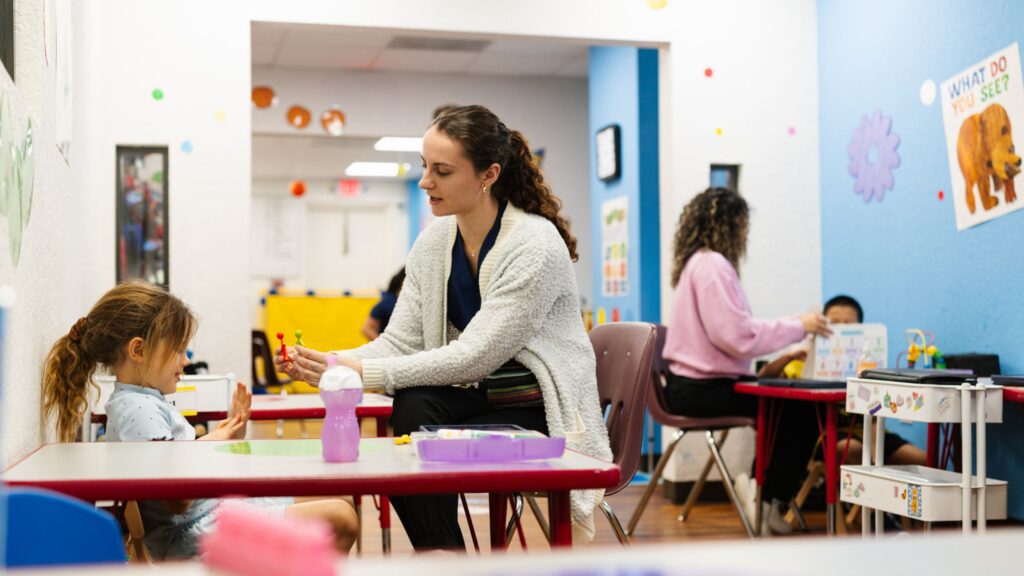
Prioritizing small classroom sizes is one of the most potent ways we turn that paradigm around. Depending on the student, their diagnosis (though a diagnosis is never required), and their history, needs, and goals, Puzzle Box Academy’s elementary school classrooms maintain small student-to-teacher ratios.
- 1:1
- 3:1
- 5:1
- 10:1
These ratios provide a quiet, calm, and supportive learning environment where no student is ever left behind.
Smaller classroom sizes give children the space, time, and tools (see next section) required to settle into themselves. At the same time, these ratios allow teachers and aides the opportunity to genuinely connect with each student, developing customized learning plans that meet them right where they are in each successive moment and day.
3. Sensory-Aware Environments
Another benefit of smaller class sizes is that they inherently yield more sensory-aware learning environments.
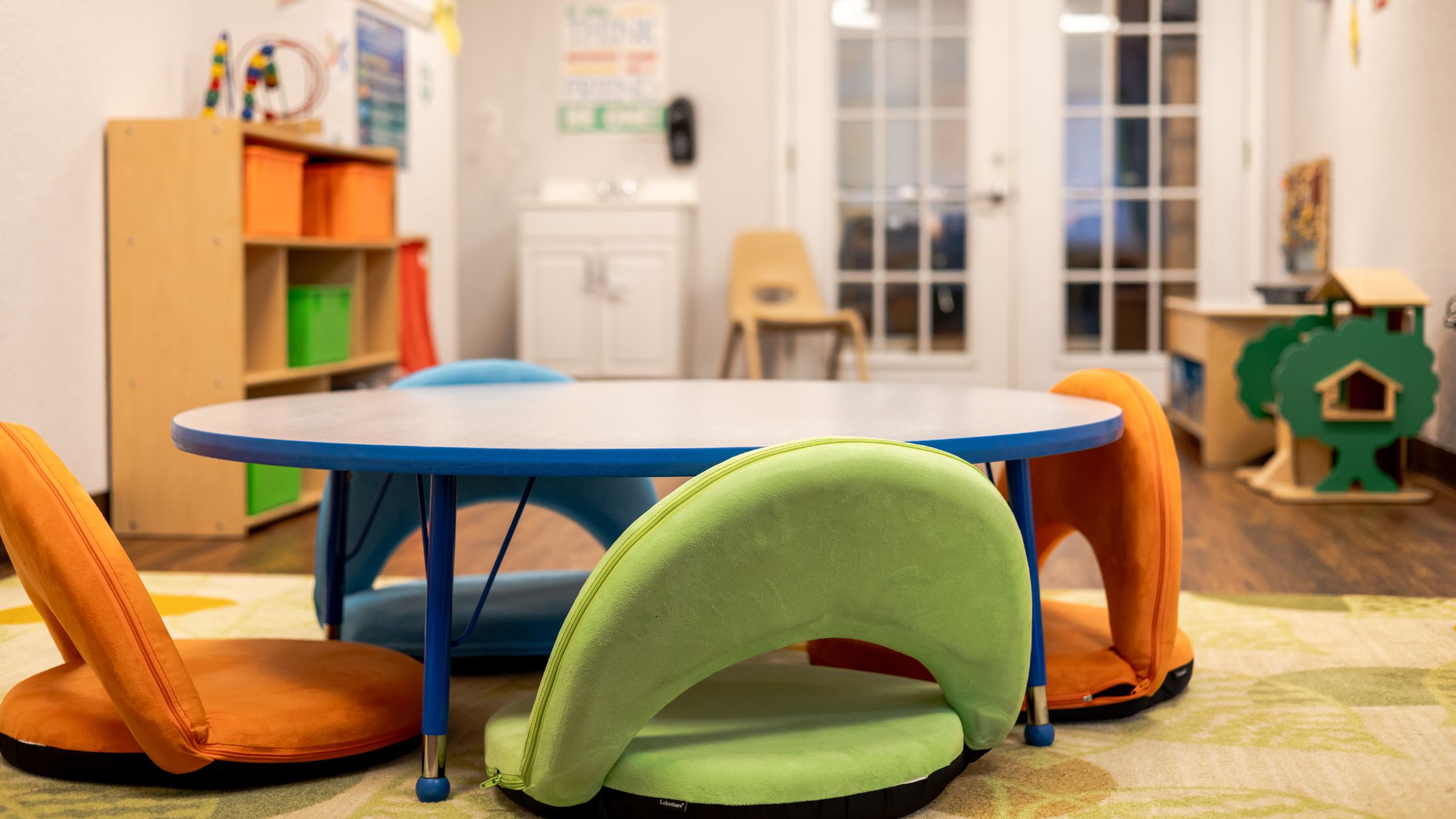
Most of our neurodivergent students are more sensitive to stimuli. Heightened sensitivity is also a trait that brings many neurotypical students to our doors. Sensory-aware or sensory-friendly classrooms set the tone for a calm external and internal environment.
Sensory-friendly spaces include features like:
- Soothing colors.
- Clean, tidy, and well-organized spaces.
- Filtered lighting designs that minimize direct sunlight and harsh or flickering lights.
- Clear separations and transitions between quiet and active zones.
- Flexible seating (chairs, wobble stools, standing workstations, bean bags).
- Ample access to soothing tools for emotional self-regulation (fidget toys, various textured fabrics, stress putty).
We quickly identify which tools are most effective for supporting each student, helping us to create more consistent emotional regulation and learning tools for the classroom, at home, and in everyday life.
4. Consistent Schedules and Predictable Rhythms
One theme we hear more than any other from our parent body it’s that children thrive in a predictable routine. That regularity is something previous public and private school environments struggled to deliver. But that changes when your child joins us.
The Puzzle Box Academy model leverages predictability in every aspect of our scheduling, from our year-round academic calendar to school days that honor working parents’ schedules. Our spacious transition windows also let students move between separate schedule blocks or activities without surprise, fear, or anxiety.
Let’s review a few of our methods for supporting stability:
- Year-Round School Schedule: Our academic year runs from July through June. Smaller seasonal breaks are far easier for children and families to manage than the extensive summer break of the traditional school model. This consistent structure keeps learning moving forward without the regressions or gaps often experienced after long breaks from the classroom routine.
- School Days Are 8 a.m. to 4 p.m.: We also have a consistent Monday-through-Friday schedule, with school days that start at 8 a.m. and end at 4 p.m. This accommodates the household life/work balance and keeps students anchored, all without any underlying stress over whether any given day is a late start day, a half day, or an early release day. It also gives us plenty of time to create routines, with spacious transitions between subjects and activities.
- Rituals and Routines: All of your child’s school days and classroom transitions begin and end using consistent rituals and routines. These routines can be a simple song, a “repeat after me” set of learned verses or instructions, or silent movement/gestures. Our kinesthetic approach to rituals and routines anchors the body and helps the nervous system to trust what’s coming next.
For both neurodivergent and neurotypical students, predictability isn’t just a perk of the classroom experience; it’s necessary for their emotional and academic success.
Visit an Alternative School in Florida Where Every Student Thrives
Are you looking for a space where your student is met with a safe, nurturing, small classroom environment that trusts their individual process and provides the support they need to thrive truly? Schedule a tour at Puzzle Box Academy. We’ve cultivated a supportive learning environment that honors student-centered education and flexible behavior plans. While we specialize in neurodivergent education, we’re proud to serve a diverse student body that includes those who are neurodivergent, neurotypical, and everyone in between. We’ll show you and your child what it feels like when education really works!