When a child isn’t thriving in a traditional school setting, parents and caregivers feel it in their bones. Sometimes, the signs are obvious – calls home from teachers or administrators, a child’s unignorable complaints, or report cards that don’t reflect the child’s potential.
Other times, however, a child’s struggle disappears off the radar, and the only sign is the parent’s quiet, persistent feeling that something isn’t right. These feelings shouldn’t alarm you. Rather, they are a clear sign that it’s time to explore alternative educational options in Florida that will help your child and family thrive.
Early Intervention & Alternative Education: The Path To Long-Term Success
Regardless of whether the signs are obvious or intuitive, they are always worth paying attention to. The sooner you find an alternative learning experience for your child, the more support they – and you – can access.
Our Puzzle Box Academy founder, Pamela Furr, saw firsthand that traditional academic settings led to long-term gaps in a child’s education, including their social-emotional well-being.
Some of the core problems with traditional school settings include:
- Class sizes that are far too large for individualized early learning.
- Lessons geared toward the “median” and focused on boosting standardized test scores.
- Teachers and administrators who are under-trained or trained with outdated concepts and tools.
- Waiting for “official” diagnoses before implementing individualized education support.
This leads to chaotic classroom environments that feel emotionally unsafe for children who are highly sensitive, gifted, or neurodivergent. That disrupts a child’s emotional regulation pathways and hinders their ability to learn.
As a result of her experience, Pamela created the Puzzle Box Academy model, designed with inclusive support for all children. Our outcomes look dramatically different, cultivating a positive school culture for students, staff, and the wider community of parents, caregivers, and families. Built into our forward-thinking academic model are support systems that foster family-centric partnerships and holistic development of the whole child.
Ditch the Diagnosis: Alternative Ed Models Support Children & Their Caregivers
Caregivers and children shouldn’t have to wait for an official diagnosis or red tape before gaining access to individualized tools and a supportive educational model. More importantly, they should never feel like they have to label their child or rush them into boilerplate intervention models. Instead, you deserve a place where we explore what your child needs to shape their confidence, communication, emotional regulation, and foundational academic skills before frustration derails them into a negative mindset rut.
At Puzzle Box Academy School, we’re interested in getting to know your child so we can create the supportive academic environment they need to feel seen, heard, valued, and safe. Once your child relaxes into the benefits of a calm routine and emotionally safe space, you’ll witness a dramatic rise in their self-confidence and resiliency, both at school and at home.
Plus, our highly trained team implements a wide variety of scientifically backed approaches to early intervention and individualized learning, including micro-classroom ratios, the safety of predictable routines, ABA therapy and educational models, and classrooms designed to support calm, structured learning environments.
5 Ways We Foster Individualized Early Learning
The best way to learn more about our early intervention program is to reach out to us to learn more and meet with us in person at one of our Puzzle Box Academy locations. We have early intervention programs in Rockledge and Palm Bay, and elementary education through 6th grade at our Palm Bay location. You’ll notice five core differences that allow us to foster individualized learning for each and every student.
1. Highly Trained Administrators, Teachers, & Staff
Our exceptional staff members bring tremendous heart and passion to their work. However, we also know that alone is not enough to serve our students and families well.
Each of our staff members has training that goes well beyond what is offered by a traditional teaching credential program. They have additional education and training units specifically for the neurodivergent and special-needs student population. Additionally, they receive ongoing professional development to stay current with the latest research and best practices in special education.
Finally, we honor and practice trauma-informed approaches that cultivate big-picture thinking and personalized instruction. This approach nourishes the nervous system and systematically helps to ease and heal the dysregulation that may have occurred as a result of classroom-inflicted trauma from previous academic settings.
2. Small Classroom Sizes
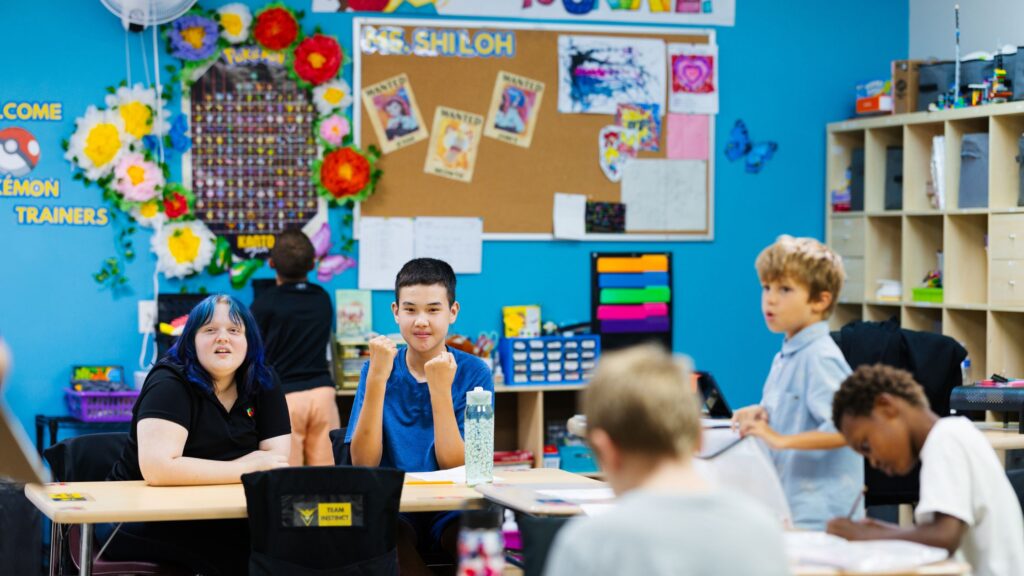
Nobody learns well in a chaotic environment, but highly sensitive children are most likely to experience shutdowns, meltdowns, or outbursts when chaos is the norm. That’s why small classroom sizes are a foundation of our alternative education approach.
Depending on your child’s needs and age, they’ll enjoy staff-to-student ratios of:
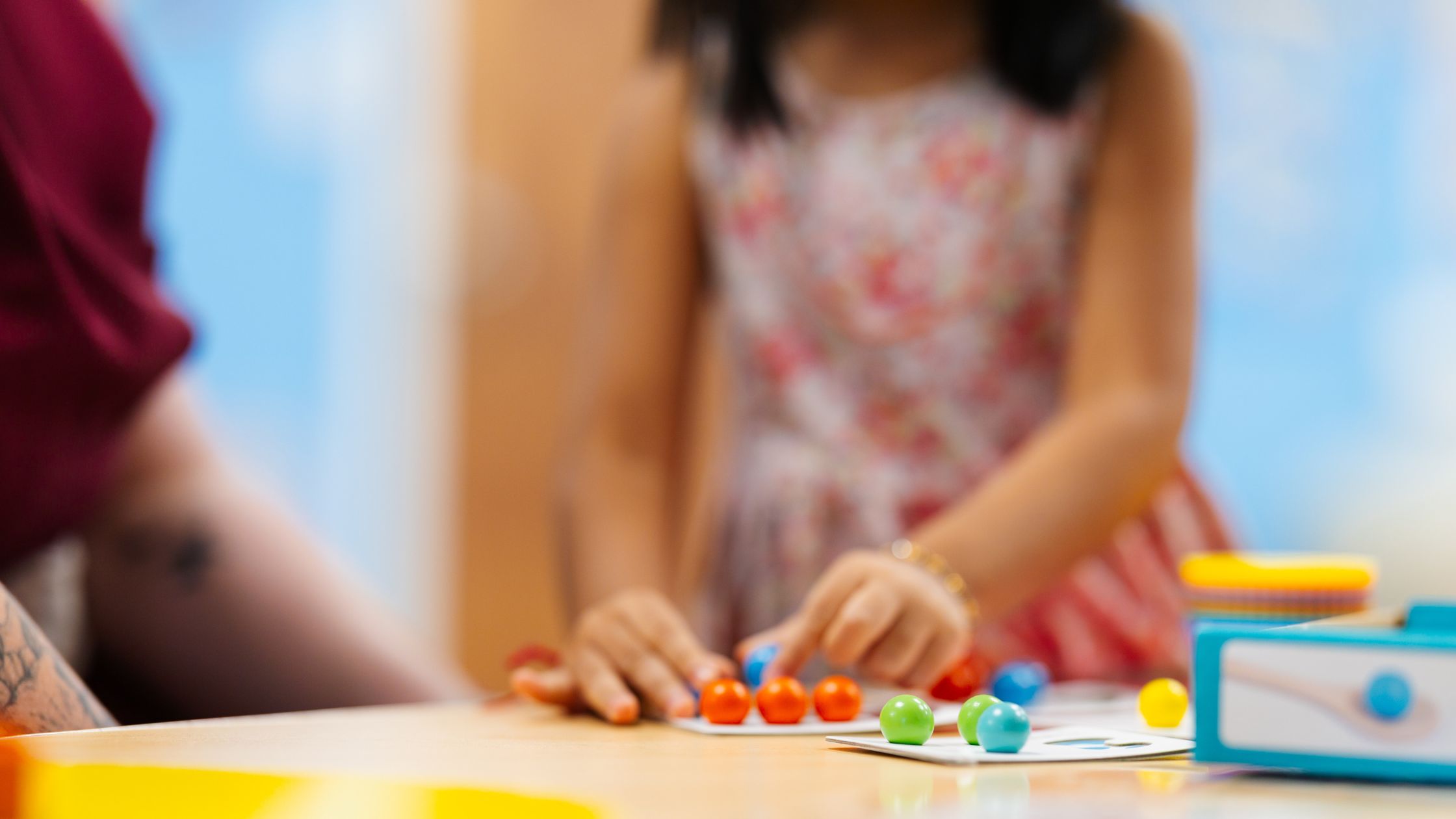
- 1:1 (Early intervention/school readiness)
- 3:1 (Typically K–1)
- 5:1 (Also K–1)
- Up to 10:1 (Elementary)
And while our small classrooms certainly work best for our neurodivergent student population, neurotypical students also benefit; these ratios exemplify how humans have always learned best.
3. Predictable Schedules, Routines, & Processes
Children feel safest and most confident when they are prepared for what’s going to happen next. We take this to heart in the way we structure everything: from our year-round academic calendar to how our classrooms are designed and run, not to mention the rituals and routines we use to help children transition from one time block to another.
When routines and expectations are clear, students can better self-regulate, engage with peers, and focus on learning. This leads to a calmer school day, and that translates to a less stressful transition from school to home.
4. Implementing ABA Therapy & Education Tools
As mentioned above, our teachers are exceptionally well-trained, with research-driven resources on best practices in ABA therapy and educational models.
These models focus on the well-being of the whole child, utilizing positive reinforcement to encourage:
- Emotional regulation.
- Social skills development.
- Focus.
- Reduction in negative or disruptive behaviors.
- Self-soothing skills.
- Increased confidence, resiliency, and trust.
It’s not just the students who benefit from these implementations. Our educational model extends to our students’ parents, caregivers, and siblings. By offering individualized strategies and resources, we help caregivers cultivate resilience and build the skills necessary to support their child’s growth at home.
What we do at school and through our range of family-resourcing and support offerings ultimately helps both students and their families gain clarity, actionable tools, and the knowledge that they are not alone.
5. Designing Calm, Sensory-Friendly Classrooms
All the steps we’ve taken in creating individualized early learning models weave together to produce tangible changes in our students’ experience. Our job as teachers – and your role as a parent or caregiver – becomes much easier when certain pieces are already in place, such as our small classroom sizes, predictable routines, and ABA models. Our school and classroom designs are another critical piece of this “puzzle.”
Just because there are only five students in a room doesn’t mean it’s always quiet or that the current activity is right for everyone. So, we’ve also designed sensory-friendly spaces that have all of the tools your child needs to feel safe and get focused.
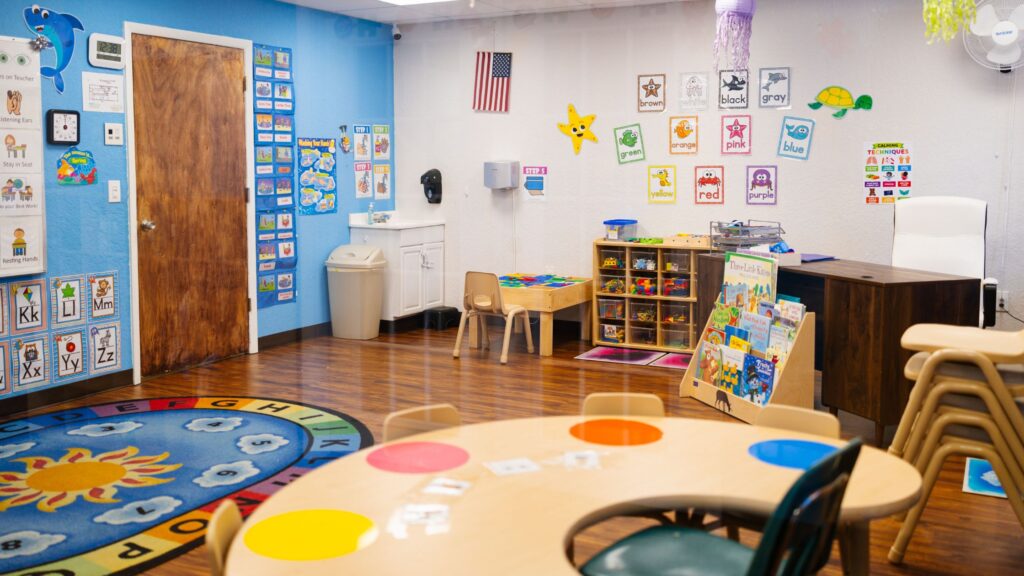
Sensory-friendly classrooms look different from traditional classrooms because they include things like:
- Furnishings, fixtures, and textiles that absorb sound.
- Filtered, dimmable light fixtures.
- Optimized natural light.
- Calm and soothing colors.
- A variety of chairs, stools, bean bags, etc., for more comfortable seating and to allow more motion for our fidgety or kinesthetic learners (motion anchors thoughts for these kiddos).
- Sound-filtering headphones.
- A variety of stations positioned to accommodate group, didactic, individual, or more distraction-resistant learning.
- Fidget toys.
- Quiet corners, nooks, or soothing stations for students who get overwhelmed.
- And so on.
These versatile spaces create learning sanctuaries where everyone’s needs can be met without compromising the whole.
Learn More About Puzzle Box Academy & Admission Procedures
We are passionate about the incredible early intervention program we’ve created here in Florida. Our steadfast dedication to using alternative education modalities to support young learners is making a tremendous difference in our students’ and their families’ lives.
And you don’t have to take our word for it: Puzzle Box Academy just earned recognition as a Rising Star School, signifying that our school has made significant improvements in student performance and educational outcomes. This recognition celebrates our efforts toward providing a better educational experience and enhancing student achievement.
Don’t waste another minute with that telltale suspicion that your child is being ignored, left behind, or diminished by the traditional school experience. Reach out and learn more about our admission process. We’re here to show you what your magnificent child is capable of when they have access to the academic environment they deserve.