When families notice changes in a child’s behavior, development, communication, or social interactions at school, it’s easy to assume that it’s a phase or that they’ll catch up eventually. After all, isn’t early child development all about the evolution of a growing human’s learning phases, individualized changes, and paced growth? Not necessarily, especially if a child isn’t getting the support they need.
In most standardized school settings, assessments, testing, and the search for a diagnosis are the first-line responses to a child who’s struggling. In addition to causing the child further anxiety, this process can make them feel like something is wrong when, in fact, it’s the system that’s the problem. In our experience, the “wait and see” approach does not serve children well.
Supportive Learning Environments Honor Every Student’s Needs
At Puzzle Box Academy, we honor a child’s existing diagnosis, but our focus is never “what’s wrong with the child.” Instead, our early intervention program is wholly designed to honor each child’s needs and pace, allowing them to develop the confidence and skills needed to flourish in their own time.
Yes, it’s true that every child learns, develops, and matures at their own rate, but when a child’s behaviors or struggles at school seem more negative than positive, or the responses from teachers and peers cause the child to feel like something is wrong with them, it’s a red flag.
Do you or other adults consistently use these phrases as a response to your child’s behaviors or challenges?
- They’ll grow out of it.
- Let’s not overreact.
- Let’s give it more time.
If so, it may be a sign your child needs a more supportive learning environment. Acquiescence to a school’s “let’s wait and see” approach is an especially poignant wake-up call because the question becomes, “How much time is more time?” And the student is the one who suffers in the meantime.
When we consider the benchmarks used in most elementary school settings, a child who’s struggling doesn’t have much time to catch up or figure things out because the curriculum – and their social circles – march on ahead, putting them at risk for being left behind or feeling like they don’t fit in at a traditional school.
Our Early Intervention Program Meets Each Child Where They Are
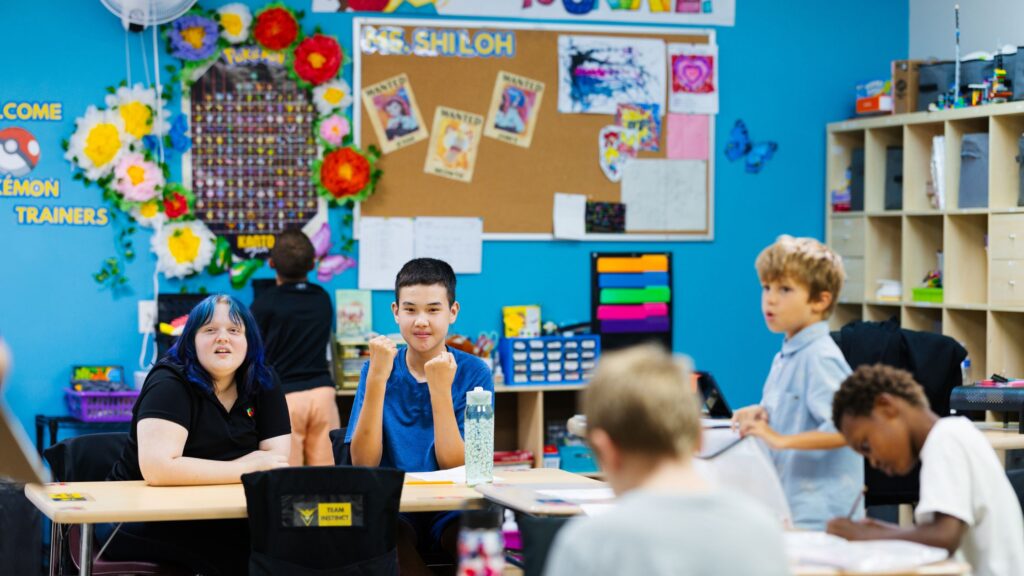
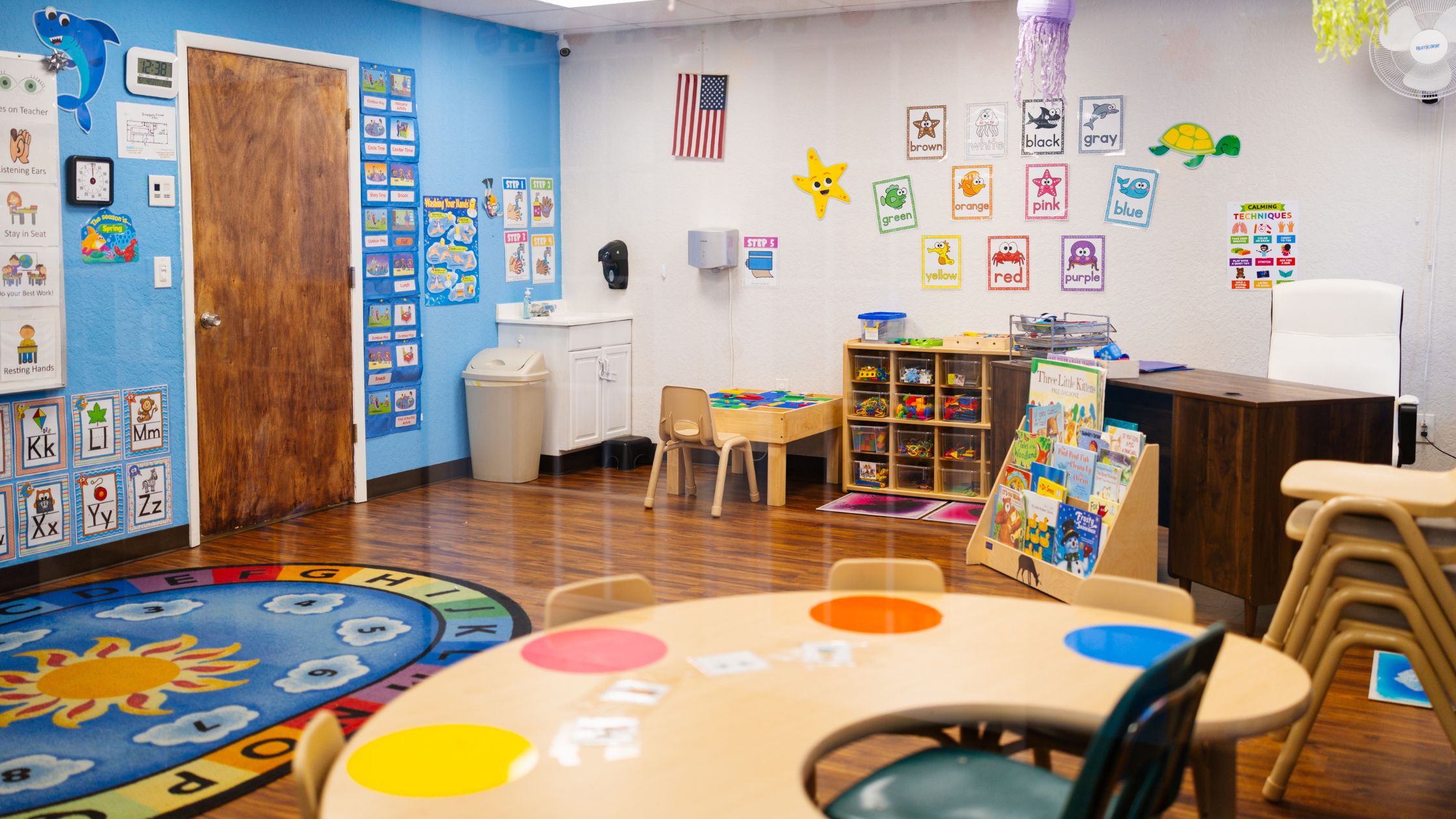
If you’re getting the feeling that the traditional classroom isn’t the right learning environment, we invite you to learn more about Puzzle Box Academy’s early intervention program in Florida. Our preschool and elementary school programs offer alternative education for young learners. The campus is an inclusive environment where all children are welcome, whether or not they have a developmental delay.
We’ve created a space where early support and the right learning environment make lasting differences in the lives of our students and their families.
Your Child’s Struggles May Be Their Way of Asking For Personalized Support
Here are some of the indicators that your child needs something different:
1. They Are Overwhelmed by Their Classroom Environment
When a child’s nervous system is overwhelmed, they may not show it in obvious ways.
- The Meltdowner: Some children have overt meltdowns, which are impossible to ignore. Unfortunately, the disruption they cause can lead to responses from adults or peers that are punitive rather than curious, compassionate, or supportive.
- The Slow Processor: Your child may fit in socially – or may not – but when it comes to developmental tasks or early preschool “work,” they can’t keep up with their peers, and so they already begin to see themselves as “slow” or “stupid.”
- The Non-Entity: Other children may completely shut down, so while they’re quiet and always “cooperative,” the “freeze” response shuts off their ability to learn. That can make it look like they have developmental or learning delays.
- The Masker: Then there are the kiddos who look like they’re the perfect child in the classroom. They’re “kind” (they do everything anyone says), and they “excel at every task.” However, these children may have extreme anxiety and develop perfectionism that diminishes their self-esteem. This can lead to short- or long-term implosion.
- The After-School Collapse: Finally, your child may seem like a “normal and obedient” child at school, but then they come home and fall apart. Parents of these students are blown away by the rave reviews from teachers, classroom aides, or friends’ parents. At home, those same students’ lives are plagued by constant tantrums, meltdowns, or defiant behavior.
All of these examples contain clear signs that a child’s classroom and school environments do not adequately support their needs and that they need a more supportive learning environment.
2. They Are Left Alone Much of the Time
We have great respect for our colleagues at traditional schools. Most of them are passionate about early childhood learning. However, they can’t meet each child’s needs because these teachers must teach to “the middle.” Public school classrooms are too big and lack ideal teacher-to-student ratios.
As a result, children who can’t keep up in class, are consistently disruptive, or who don’t ask for help, can find themselves spending a significant amount of classroom time left to their own devices. That is not a supportive learning environment. That is abandonment, and children can acutely feel that.
3. They Struggle Socially & Cannot Make Friends
Social acceptance and feeling like you fit in are basic human needs. Studies consistently show that when children don’t feel like they fit in, it affects their physical, mental, and emotional well-being. If social exclusion leads to “checking out” of the classroom culture, they can wind up with developmental delays unrelated to intelligence or ability. Appropriate developmental delay support can help children like these flourish in a suitable environment.
Finding a school with a positive classroom culture, lower student-to-teacher ratios, and a focus on calm, soothing environments can be game-changing for your child’s ability to thrive in the classroom and among their peers.
4. Nothing Is Working
For some parents, every alarm bell is ringing, and there’s a sense of defeat that “nothing is working.” If that feeling resonates with you, you have found a place to rest. We promise that something will work.
The key is to find school-readiness or early-intervention programs that intentionally support holistic development for every child.
How Our Family-Centric Partnership Makes a Lasting Difference
Puzzle Box Academy takes a completely different approach to what schools should look like by integrating three core focuses:
- Holistic Development: We bring a “whole-child” perspective to childhood learning and development. This means we listen deeply to the family’s experience and the child’s school and social experiences. We want our students to feel fully seen for their entire selves, not just for how “good” they are at any one thing. School days at Puzzle Box Academy integrate ways to foster each child’s physical, mental, social, and emotional growth.
- ABA Therapy: ABA therapy works for both neurodivergent and neurotypical students. The positive-feedback tenets that guide this science-based methodology work for all children, providing consistent, predictable rhythms, expectations, outcomes, and goals that work together so children feel secure and supported. And we provide plenty of information and education about what’s working for students, so families benefit from using the same strategies at home.
- Family-Centric Support: If there’s one thing we hear over and over again from parents, it’s that before finding Puzzle Box Academy, they (and their children) felt so alone. Our educational models foster connections between home and school life, including social/emotional support for parents and caregivers. These are approaches to early childhood education that Florida parents can rely on to create the feeling of community and support they have been missing.
This consistent connection between home and school, including our 12-month year-round schedule, means students benefit from consistency across the board.
Don’t Wait For Your Child To Catch Up. Tour Puzzle Box Academy!
Why wait for your child to catch up before exploring their options? If you sense red flags that your child isn’t happy at school, doesn’t feel safe, or has developmental delays, now’s the time to explore what’s possible in providing the support they’re asking for.
We encourage you to learn more about our admissions process – no diagnosis or label necessary. You can decide from there. Puzzle Box Academy campuses offer private education and early intervention that Florida families trust; our focus on inclusion and equal access means that every family can afford our tuition, whether through Flex Tuition offers or our income-based scholarship programs.
Contact us to schedule a tour and witness firsthand how early support and the right learning environment make a lasting difference.
Remember:
Every child deserves to feel capable.
Every child deserves to feel understood.
The right environment doesn’t change who your child is.
It allows them to become who they’ve always been capable of becoming.